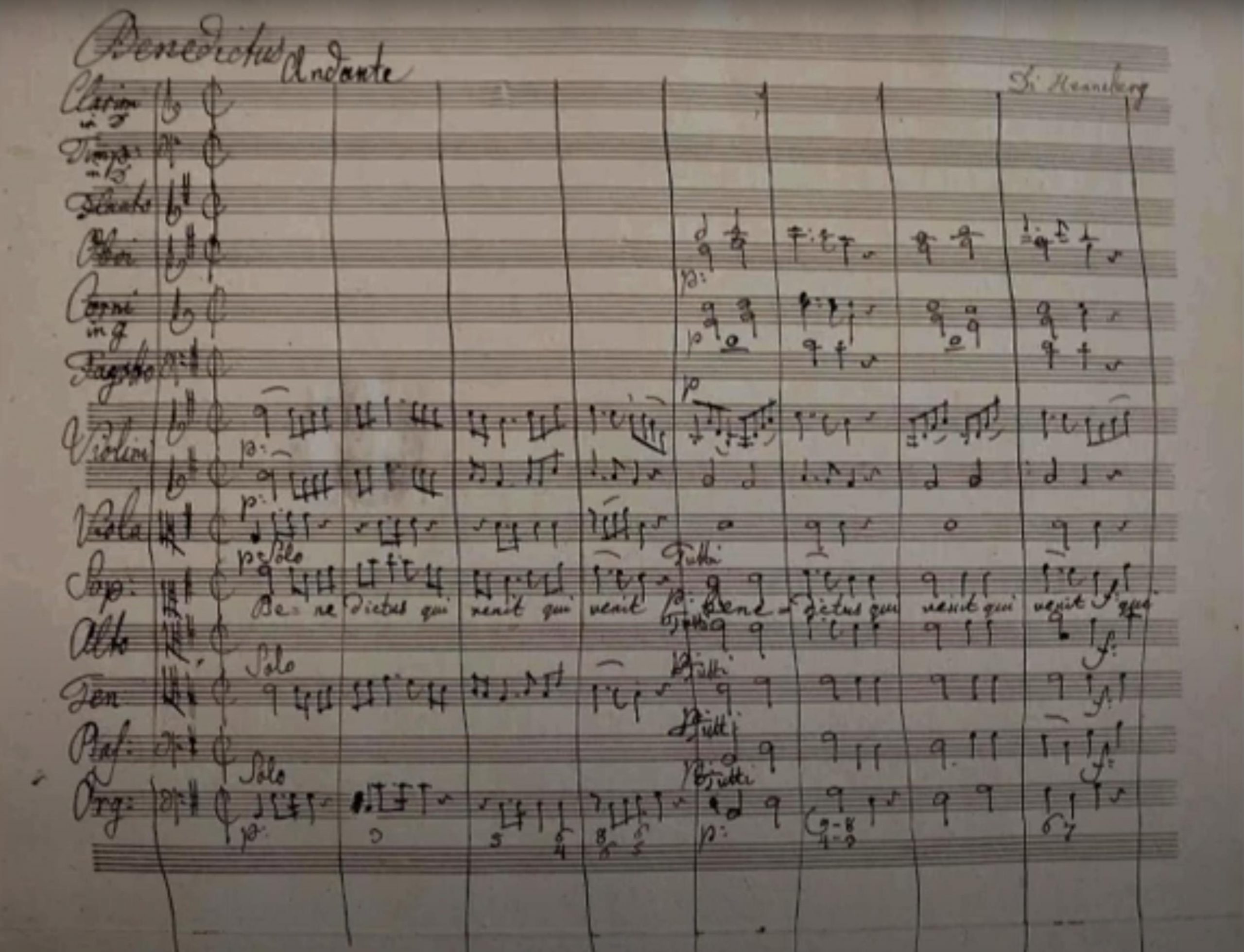
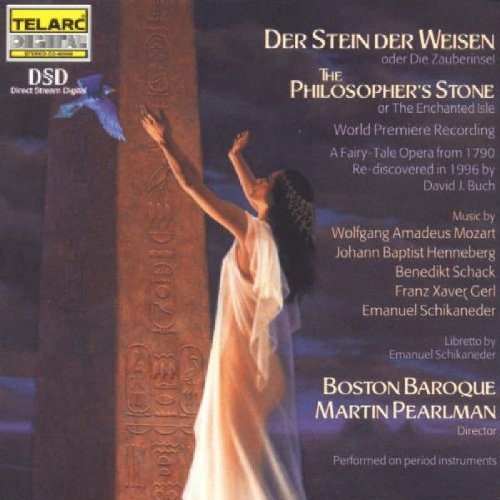
The singspiel was premiered on 11 September 1790 in the Theater auf der Wieden, conducted by Henneberg. It was first recorded by the Boston Baroque in 1999.
After the successful World Premiere this opera was played without interruption over 24 years which tells it was an immens success. The last performance was February 28th, 1814 in Linz/Austria.
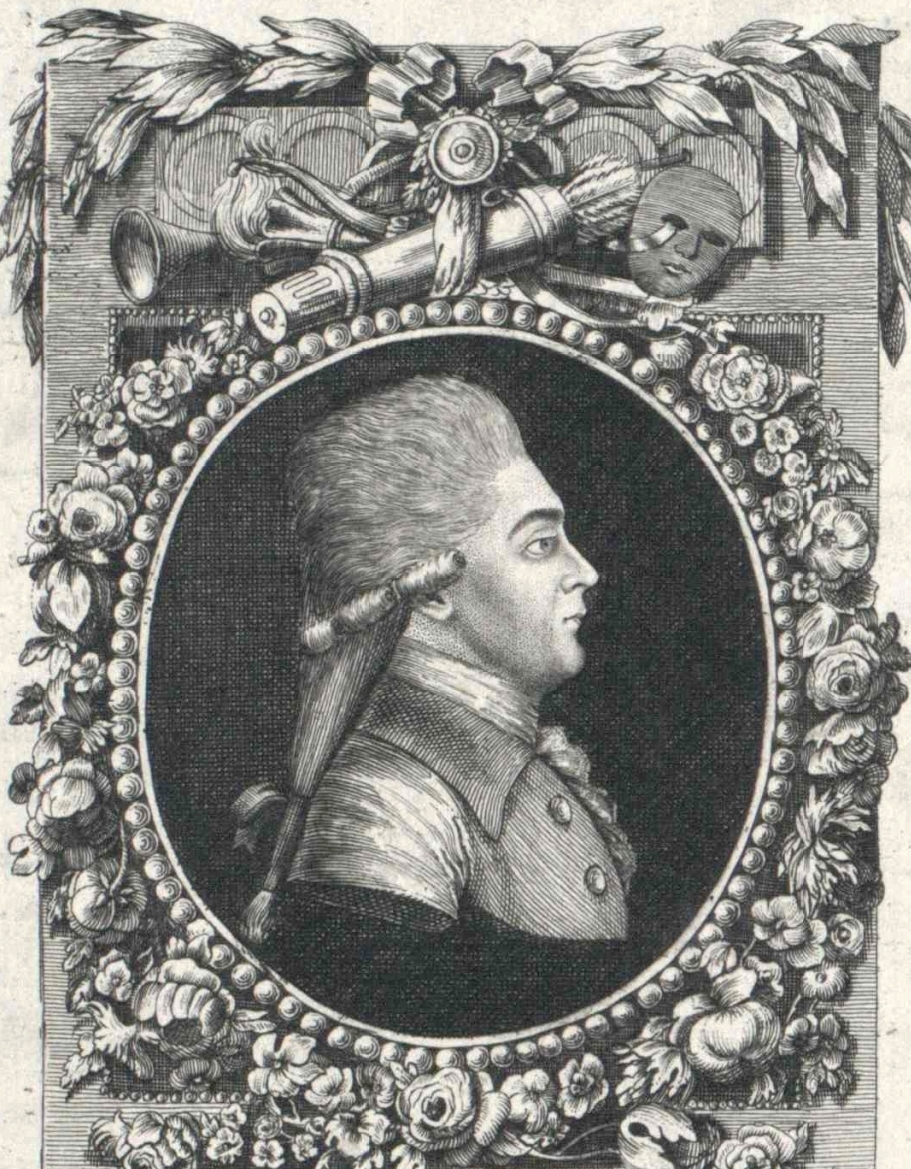
Emanuel Schikaneder (born Johann Joseph Schickeneder; 1 September 1751 – 21 September 1812) was a German impresario, dramatist, actor, singer, and composer. He wrote the libretto of Wolfgang Amadeus Mozart‘s opera The Magic Flute and was the builder of the Theater an der Wien. Peter Branscombe called him “one of the most talented theatre men of his era”. Aside from Mozart, he worked with Salieri, Haydn and Beethoven.
During Easter 1788, the troupe run by Johann Friedel and Eleonore Schikaneder had settled as the resident troupe at the Theater auf der Wieden, located in a suburb of Vienna.[12] Friedel died on 31 March 1789, leaving his entire estate to Eleonore, and the theater was closed. Following this, Eleonore offered reconciliation to Schikaneder, who moved to Vienna in May to start a new company in the same theater in partnership with her.[13] The new company was financed by Joseph von Bauernfeld, a Masonic brother of Mozart.[14] With plans of an emphasis on opera, Schikaneder brought two singers with him from his old troupe, tenorBenedikt Schack and bass Franz Xaver Gerl. From his wife’s company he retained sopranoJosepha Hofer, actor Johann Joseph Nouseul, and Karl Ludwig Giesecke as librettist. New additions to the troupe included Anna Gottlieb and Jakob Haibel.[15]
The new company was successful, and Die Entführung aus dem Serail again became part of the repertory. Several aspects of the company’s work emerged that later came to be immortalized in The Magic Flute. A series of musical comedies starting with Der Dumme Gärtner aus dem Gebirge, oder Die zween Antons (“The Foolish Gardener from the Mountains, or The Two Antons”), premiered in July 1789.[15] The comedy provided a vehicle for Schikaneder’s comic stage persona. Another line of performances by the company involved fairy tale operas, starting with the 1789 premiere of Oberon, with music by Paul Wranitzky and a libretto that was a readaptation of Friederike Sophie Seyler‘s original libretto. This was followed by Der Stein der Weisen oder Die Zauberinsel in September 1790,[16] a collaborative opera marked by the musical collaboration of Gerl, Schack, Schikaneder and Mozart.
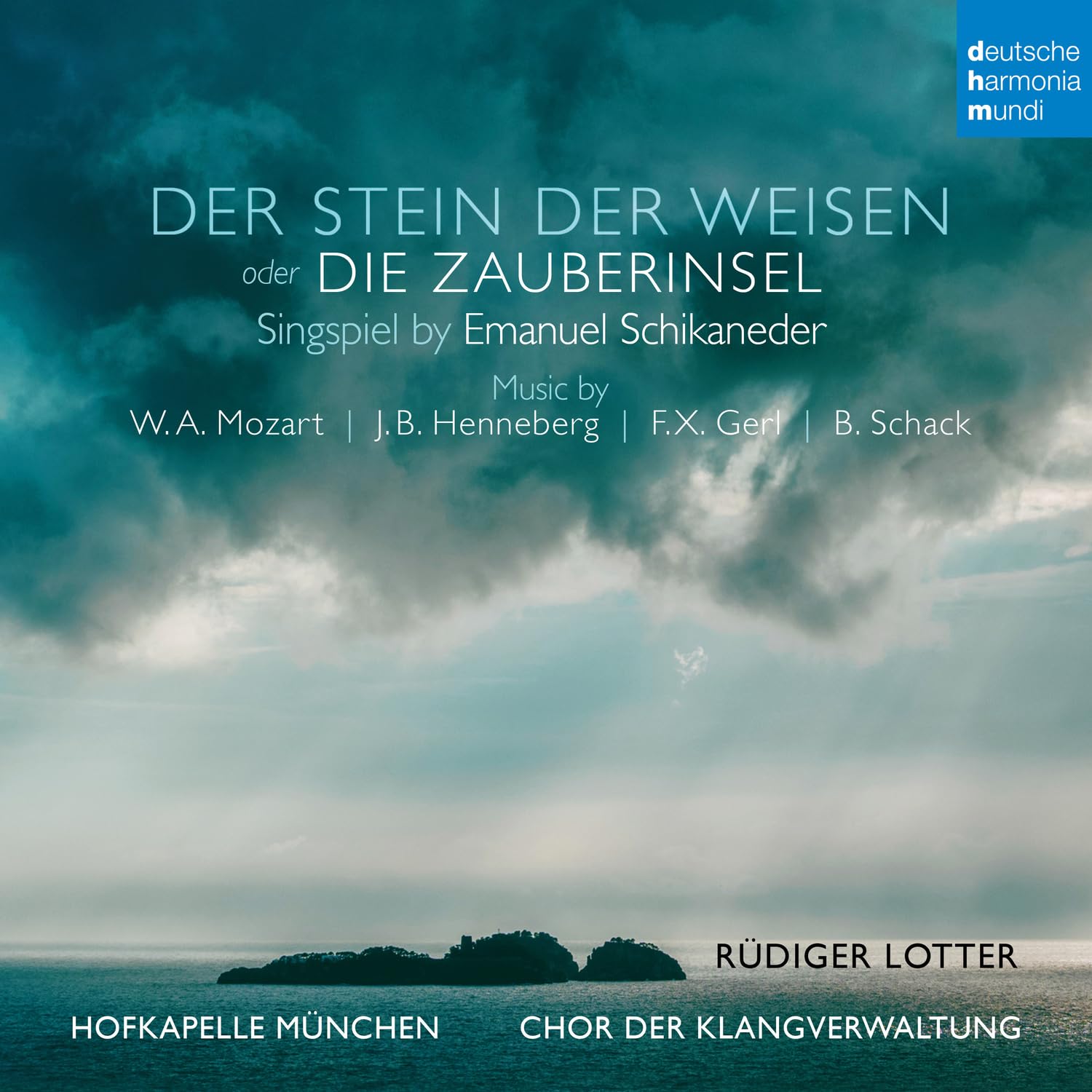
Music attributed to Wolfgang Amadeus Mozart, Johann Baptist Henneberg, Benedikt Schack, Franz Xaver Gerl and Emanuel Schikaneder
Libretto by Emanuel Schikaneder
First performance: Theater an der Wieden, Jan. 11, 1790 Modern-day premiere: Boston Baroque, 1998 First recording: Boston Baroque (Telarc), 1999
Cast, in order of appearance: Sadik, ruler of Arcadian land (tenor) Nadine, his daughter, in love with Nadir (soprano) Nadir, his step-son, in love with Nadine (tenor) Lubano, grounds keeper for Sadik, husband of Lubinara (bass) Lubanara, wife of Lubano (soprano) Genie, messenger of Astromonte (soprano) Four maidens (sopranos) Eutifronte, evil god of the underworld (bass) Astromonte, beneficent god, brother of Eutifronte (tenor) Choruses of shepherds and shepherdesses, hunters, and demons
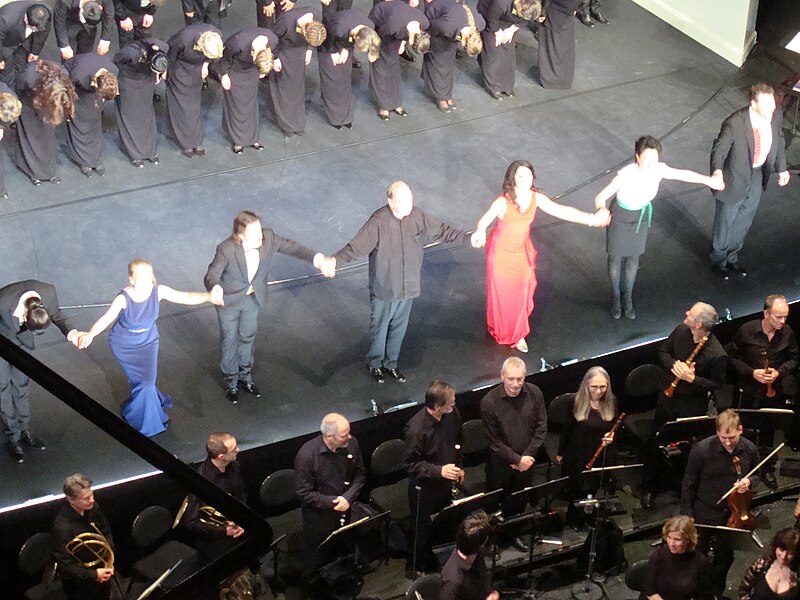
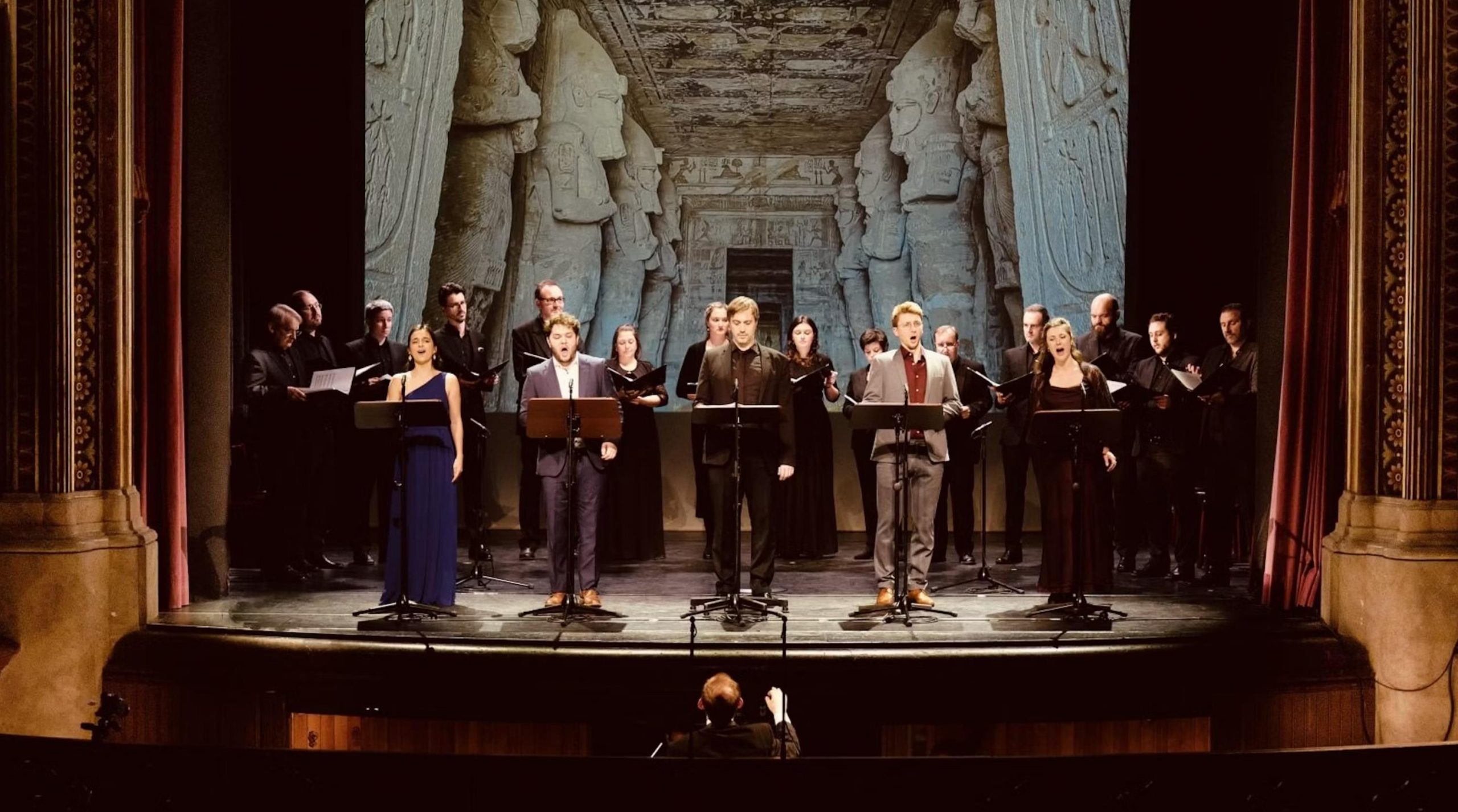
Leonor Amaral, Kai Kluge, Joachim Höchbauer, Jonas Müller und Elena Harsányi in front of a picture: Temple of Abu Simbel in the concertante performance “Der Stein der Weisen”. (Foto: Tobias Eggensberger/Ophelias PR)
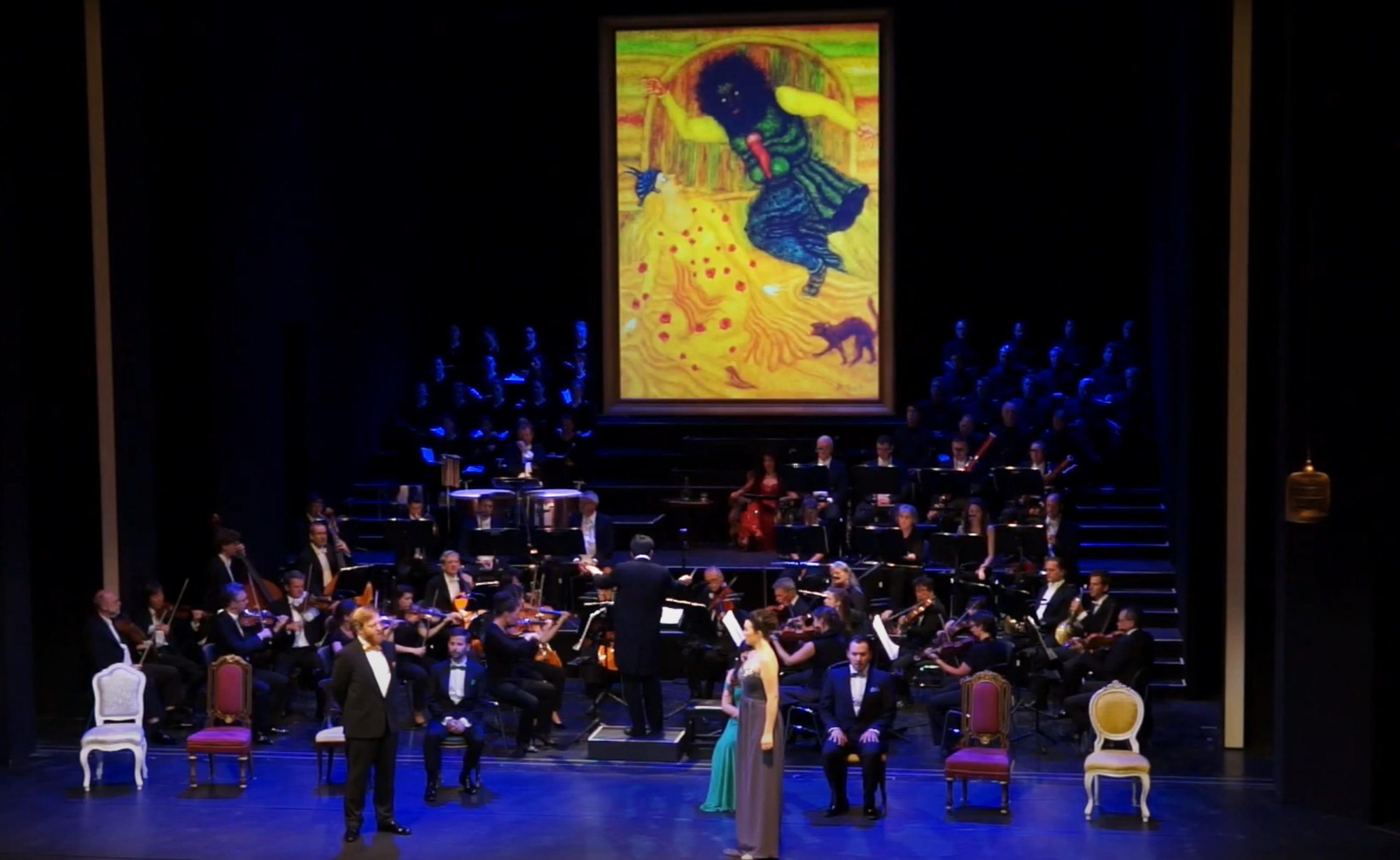
The opera was performed in Augsburg in 2001 and 2022.
Benedikt Schack in performance with the Schikaneder troupe: the number “O Anton du bist mein” from the SingspielDie Zween Anton. Schack is at center, his hands held by soprano Josepha Hofer and baritone/impresario Emanuel Schikaneder. Click on image for the identities of the other players and the original source.
Benedikt Emanuel Schack[1] (Czech: Benedikt Žák) (7 February 1758 – 10 December 1826) was a composer and tenor of the Classical era, a close friend of Mozart and the first performer of the role of Tamino in Mozart’s opera The Magic Flute.
Benedikt Schack (also spelled as Žák, Ziak, Cziak or Schak) was born on 7 February 1758 in Mirotice, Bohemia (now the Czech Republic, then part of the Habsburg monarchy). Like Joseph and Michael Haydn, he worked as a chorister as a child, singing from 1773 in the cathedral in Prague, then moved to Vienna (1775) to study medicine, philosophy and singing. His voice teacher in Vienna was Karl Frieberth [de], a tenor who performed under Joseph Haydn. From 1780, Schack worked for several years as Kapellmeister to Prince Heinrich von Schönaich-Carolath in Silesia.
In 1786, Schack joined the traveling theatrical troupe of Emanuel Schikaneder, working both as a tenor and as a composer of Singspiele. The troupe settled in Vienna in 1789, performing in the suburban Theater auf der Wieden.
In 1790, Schack and his fellow singer-composers of the Schikaneder troupe collaborated to write an opera Der Stein der Weisen (“The Philosopher’s Stone”). Mozart also played a part in its composition, contributing a duet (“Nun liebes Weibchen,” K. 625/592a) and perhaps other passages. This fairy-tale opera can be considered a kind of precursor to The Magic Flute; it employed much the same cast in similar roles.
When The Magic Flute (music by Mozart, libretto by Schikaneder) premiered in 1791, Schack took the role of Tamino. According to the New Grove, “it is to be presumed that he also played Tamino’s flute solos”, though other scholars disagree. An 1815 source indicates that Schack sang the role a total of 116 times.
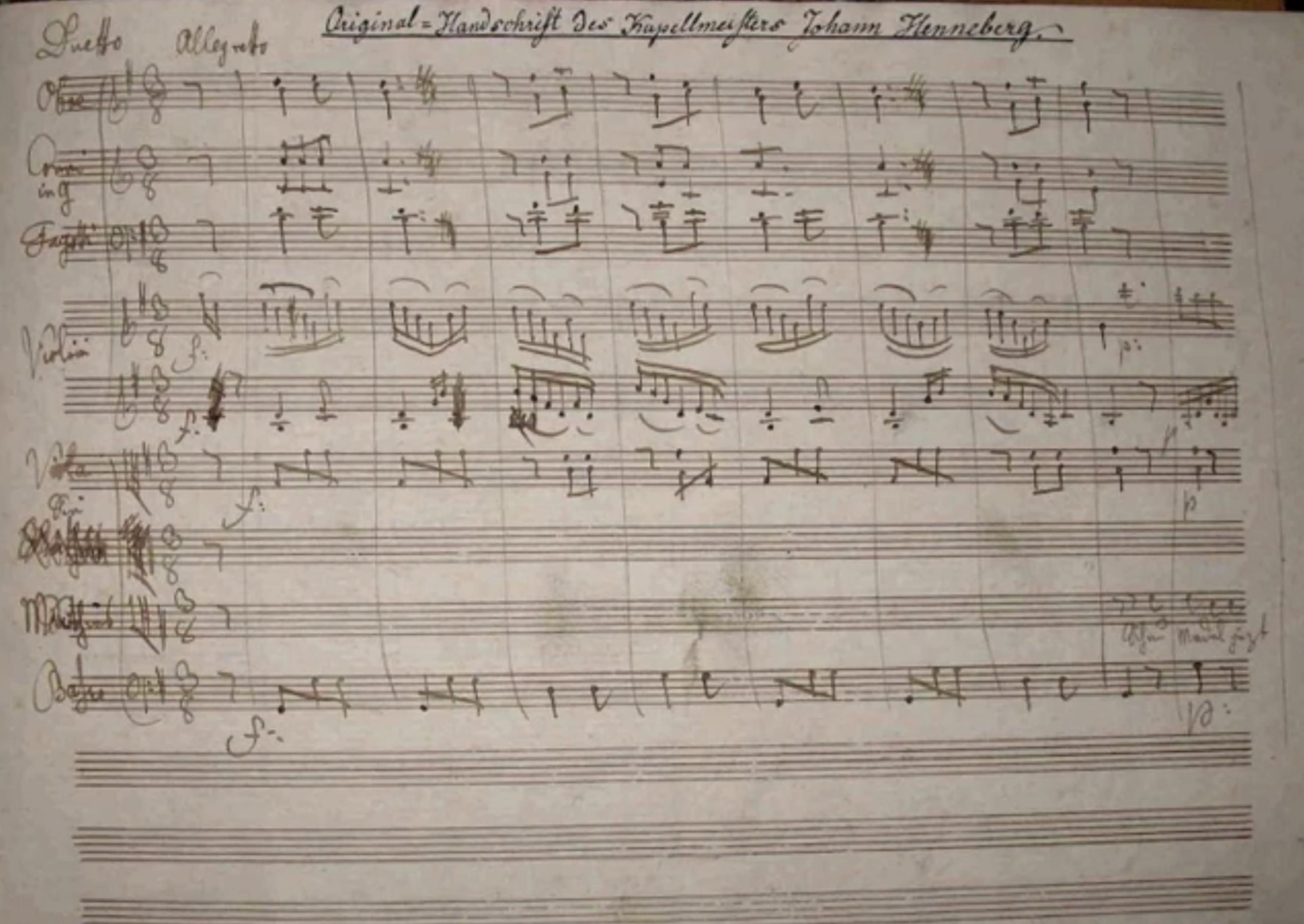
Henneberg played a decisive role in the rehearsal of Mozart’s opera The Magic Flute. After Mozart himself conducted the premiere on 30 September and 1 October 1791, Henneberg conducted the following performances. Henneberg also created several operas himself, which enjoyed great popularity at the time.
In 1797 he composed together with Ludwig van Beethovenmenuets and allemandes for a mask ball of the Pension Society for Performing Artists, which was performed on 26 November 1797 in the Großer Redoutensaal of the Vienna Hofburg.